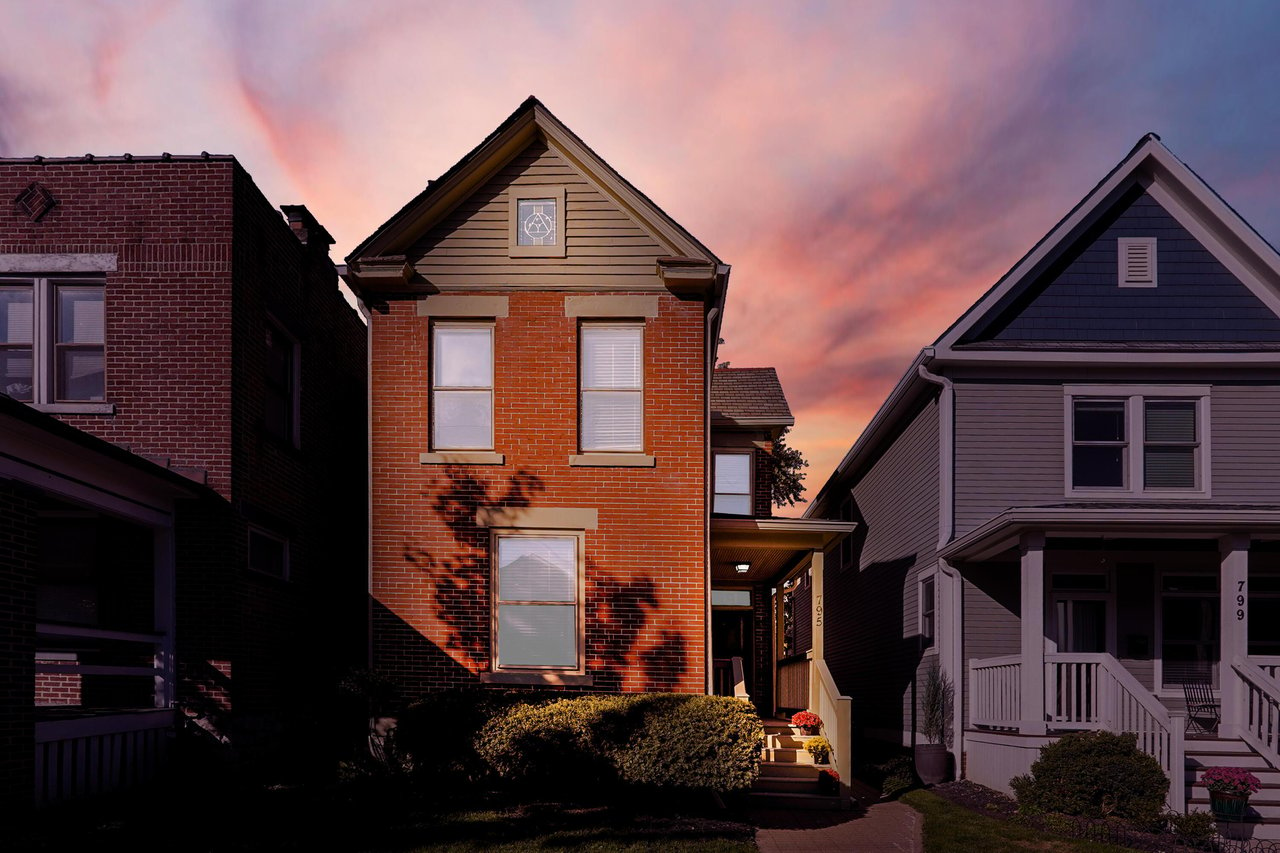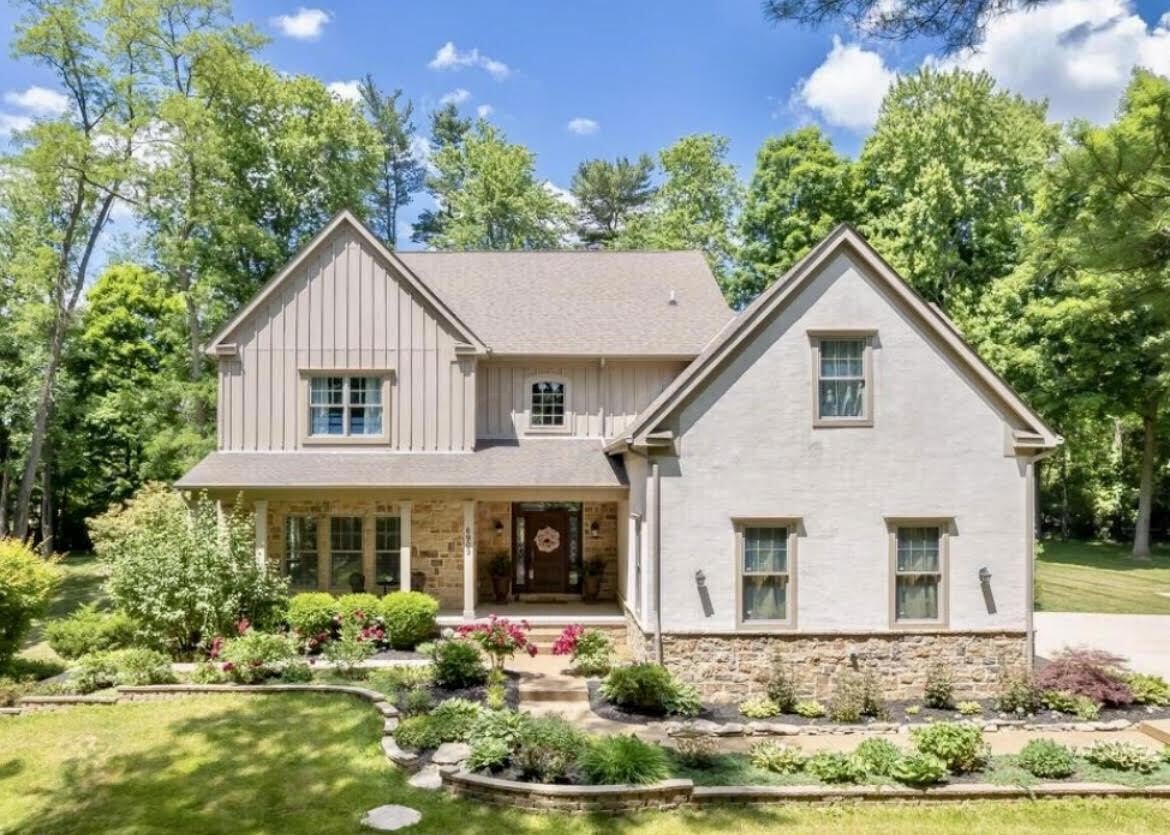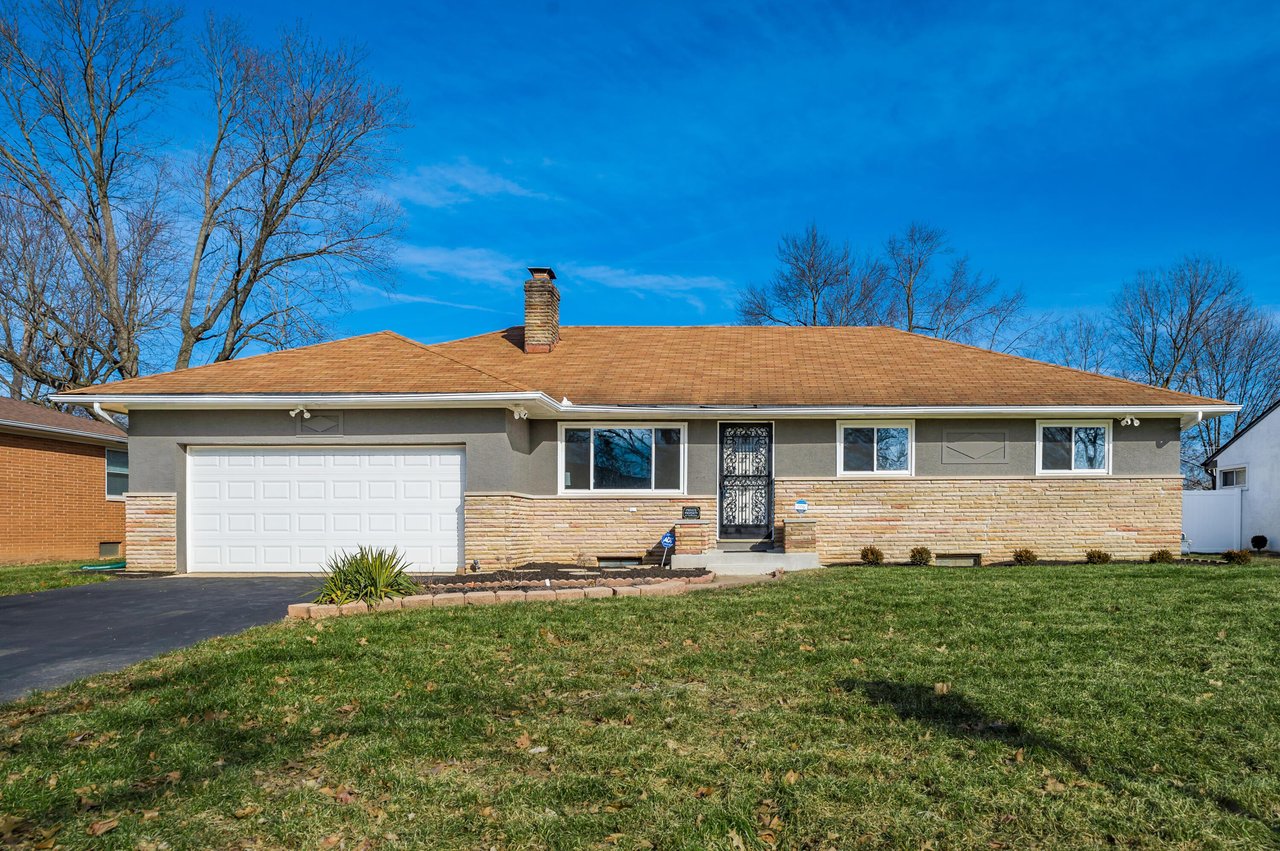
German Village, Columbus — beautiful historic homes that reward prepared buyers.
Columbus is full of older homes, and that's one of the things that makes this city's real estate market so interesting. The pre-war and mid-century housing stock in neighborhoods like Clintonville, German Village, Bexley, Grandview Heights, and Italian Village is architecturally rich — Craftsman bungalows, Federal-style brick colonials, Tudor revivals, solid mid-century ranches — and it was built to last.
But "built to last" doesn't mean "built to modern standards." And buyers who fall in love with a 1920s German Village brick row house or a 1940s Clintonville Craftsman without understanding what they're walking into can find themselves with expensive surprises shortly after closing.
This post is my attempt to give you the honest primer on what Columbus's older homes commonly reveal during inspection, what each issue actually means, and how to think about it — deal-breaker, negotiating point, or budget item.
A Note on Home Inspectors in Columbus
First: get a good inspector. Not the cheapest one, not the one your cousin recommended because he once took a weekend course, and not one who rushes a 100-year-old home in two hours.
For an older Columbus home, budget 3 to 4 hours for a thorough inspection and expect a detailed written report with photographs. Ask specifically whether the inspector is comfortable with pre-war construction and whether they'll flag code compliance issues versus age-appropriate wear. A great inspector tells you what's a genuine concern and what's normal for a 1935 house. A mediocre one either misses things or panics a buyer unnecessarily about a home with decades of perfectly functional service left.
1. Knob-and-Tube Wiring — The One That Gets the Most Attention
What it is: Knob-and-tube (K&T) is an early electrical wiring system used primarily from the 1880s through the 1940s. It uses individual rubber-insulated copper wires routed through ceramic knobs (which anchor the wire) and ceramic tubes (which protect it where it passes through framing). K&T circuits are two-wire — hot and neutral only, with no ground.
Where you'll find it in Columbus: In virtually any home built before 1940, and occasionally in additions or repairs done with existing materials through the 1950s. If you're shopping German Village, Italian Village, or the oldest parts of Clintonville, assume K&T is present until the inspection tells you otherwise.
The actual concerns:
- No ground: K&T circuits have no equipment grounding, which means three-prong outlets retrofitted onto K&T circuits don't actually provide ground protection. This is a safety issue for electronics and appliances.
- Deteriorated insulation: The original rubber insulation becomes brittle over decades. If the wiring has been disturbed, spliced improperly, or has been in contact with attic insulation for decades, the insulation may be compromised — which is a fire risk.
- Insulation covering: K&T needs air circulation to dissipate heat. When blown-in insulation covers K&T wiring in attics (as was commonly done by well-meaning but uninformed previous owners), the wiring can overheat. This is the most common K&T fire risk scenario.
- Insurance: Many home insurance companies in Ohio will not issue a standard homeowners policy on a home with active K&T wiring, or they charge a significant premium surcharge. Before you fall in love with a K&T home, verify with your insurance agent.
Deal-breaker or manageable?
K&T that is in good condition, hasn't been buried under insulation, and is not the sole electrical system in the home is manageable — but it should be evaluated by a licensed electrician (not just the home inspector) and insurance implications must be confirmed before you're under contract.
Full rewiring of a Columbus home typically costs $8,000–$20,000+ depending on size and complexity. Partial rewiring or panel upgrades cost less. If K&T is the dominant electrical system and the home also has a 60-amp fuse box from 1945, budget for a full electrical upgrade and negotiate accordingly.
2. Galvanized Steel Plumbing — The Silent Water Problem
What it is: Galvanized steel water supply pipes were the standard material through approximately the 1950s, when copper began to take over. Galvanized pipe is steel that's been coated with zinc to resist corrosion.
The problem: Over decades, galvanized pipe rusts from the inside out. The zinc coating degrades, and rust builds up on the interior walls of the pipe — progressively narrowing the diameter and restricting water flow. Eventually, pinholes or full failures develop.
Signs during inspection:
- Low water pressure at fixtures (the inspector runs multiple faucets simultaneously to check)
- Discolored water (reddish or brown tint) — visible rust particles
- Visible orange-brown staining in tubs and sinks
- Visible corrosion or rust on pipe exteriors where they're accessible in basements or crawl spaces
What to expect in Columbus: Clintonville homes from the 1930s–1950s frequently have galvanized supply lines. The same is true in many Bexley and Grandview Heights homes. In German Village, some of the oldest homes still have mixed systems with cast iron drainage (more on that below) and galvanized supply.
Deal-breaker or manageable?
Full re-piping of a house from galvanized to copper or PEX (a flexible plastic alternative now widely used) typically runs $5,000–$15,000 in Columbus, depending on home size and accessibility. It's a meaningful but not catastrophic expense. Most buyers negotiate a credit from the seller rather than replacing prior to closing. If water pressure is severely affected or pipes have active leaks, make sure the credit is realistic for the scope of work.
3. Ohio Basement Water Issues — Clay Soil, Hydrostatic Pressure, and Sump Pumps
This is, in my experience, the single most common inspection finding in Columbus homes across all price ranges and ages. It is also the one that most often causes unnecessary panic — and the one that's most important to actually understand.
The geology: Columbus sits on a clay-heavy substrate. Clay soil is beautiful for pottery and terrible for drainage. It retains water, swells when wet, and doesn't allow water to percolate away from your foundation the way sandy or loamy soil does. During heavy rain events and spring thaws, hydrostatic pressure builds against basement walls.
What inspectors look for:
- Efflorescence: White, chalky mineral deposits on basement walls, left behind when water evaporates after seeping through concrete. It's a calling card of past water intrusion.
- Staining: Horizontal or vertical staining on walls indicating water infiltration patterns.
- Active seepage or dampness: Not just historical evidence but current moisture.
- Cracks in the foundation wall: Horizontal cracks are the most serious — they indicate inward pressure from soil. Vertical or diagonal cracks are more common and often less structurally urgent, though they can still be water entry points.
- Sump pump condition: Is there a sump pit? Is the pump working? Is there a battery backup?
The honest spectrum:
Minor historical water evidence (efflorescence, some old staining, no active moisture) is extremely common in Columbus basements and often requires only good downspout management, proper grading, and maintenance. This is not a dealbreaker.
Active water intrusion, significant horizontal cracks, or a wet basement during the inspection itself requires a structural engineer or waterproofing contractor to assess. Interior waterproofing systems (French drains + sump pump) typically cost $5,000–$12,000 in Columbus. Exterior waterproofing is more comprehensive and more expensive.
What I tell buyers: Get a second opinion from a waterproofing contractor on any basement with signs of water. Don't rely solely on the home inspector's read — this is specialized territory. And always ensure any older Columbus home has a sump pump with a battery backup before closing.
4. Cast Iron Drainage — Aging but Often Functional
What it is: Older Columbus homes (particularly pre-1960) typically have cast iron drain, waste, and vent pipes. Cast iron is heavy, durable, and quiet — it actually works well when intact.
The issue: Cast iron has a functional lifespan of roughly 50–75 years. Beyond that, the pipes develop tuberculation (rust buildup on the interior that restricts flow), scaling, and eventually holes and collapses. In Columbus homes that have never been updated, 1920s and 1930s cast iron drainage is approaching or past its practical end-of-life.
Detection: A sewer scope inspection is essential for any older Columbus home. This involves running a camera through the drainage lines to the main sewer connection at the street. It costs $150–$300 and is one of the most valuable inspections you can add to a standard home inspection.
A scope reveals: root intrusion (tree roots entering the line through joints — extremely common in Columbus neighborhoods with mature street trees), bellied or collapsed sections, and active blockages.
The range of outcomes:
- Minor root intrusion: Cleaned and treated, monitor annually. Low cost.
- Significant bellying or collapse: Spot repair ($1,000–$3,000) or full line replacement ($5,000–$15,000+)
- Collapsed section at the street: Can involve coordination with the city and costs that exceed $10,000
Always scope the sewer on a pre-1970 Columbus home. Always.
5. Foundation Types in Columbus — What You're Standing On
Columbus homes built before 1960 use several foundation types, each with different characteristics:
- Full poured concrete basement: The most common in mid-century Columbus homes. Well-suited to Ohio conditions, structurally sound when properly maintained.
- Concrete block basement: Common in 1940s–1960s construction. Block foundations are more susceptible to water infiltration through mortar joints and horizontal pressure cracking than poured concrete.
- Stone rubble foundation: Found in the oldest Columbus homes (pre-1910), particularly in German Village and Italian Village. Stone foundations are visually charming and often surprisingly stable, but they're porous — water management is essential, and they rarely meet modern code for finished basement space.
- Crawl spaces: Less common in Columbus close-in neighborhoods than full basements, but present in some 1950s–1960s ranches. Crawl space moisture and vapor barrier condition should be carefully inspected.
When an inspector notes "horizontal cracking in block foundation wall," take that seriously. Get a structural engineer (not a waterproofing company with a sales motivation) to evaluate it before you proceed.
6. Asbestos — Where It Lives in Columbus Homes
Asbestos-containing materials were used widely in construction through the late 1970s. In Columbus's pre-1960 homes, the most common locations are:
- Pipe insulation: White or gray corrugated wrap on older steam heat or hot water pipes, often in the basement
- Floor tiles: 9×9 inch vinyl floor tiles from the 1950s–1970s almost certainly contain asbestos
- Ceiling tiles: Some acoustic ceiling tiles from this era contain asbestos
- Insulation on older furnaces and ductwork
- Exterior siding (in some cases): "Transite" fiber cement siding from mid-century construction can contain asbestos
The key distinction: Asbestos-containing materials that are intact and undisturbed are generally low-risk and are often best left in place. Asbestos becomes dangerous when it's friable — crumbling, damaged, or disturbed. The greatest risk comes from poorly managed renovations on older homes.
Before any renovation on a pre-1980 Columbus home, have suspected materials tested by a certified asbestos inspector. Abatement costs vary — pipe wrap encapsulation runs a few hundred dollars; full removal of 9×9 floor tiles in a large area can run $1,500–$5,000.
This is rarely a dealbreaker, but it's a cost to know about.
7. Lead Paint — Ubiquitous, Manageable, Important for Families with Young Children
Homes built before 1978 may contain lead-based paint. Homes built before 1940 almost certainly do. In Columbus, this is the vast majority of the housing stock in German Village, Clintonville, Italian Village, and parts of Bexley.
The practical reality: Lead paint that is intact, painted over, and not disturbed poses minimal ongoing exposure risk. The risk comes from deteriorating painted surfaces (chipping, peeling, chalking) and — critically — from renovation activity that sands or disturbs painted surfaces.
For buyers with young children: This matters more. Lead paint disclosures are federally required for pre-1978 homes. Request the seller's disclosure, ask when the home was last painted, and look carefully at windows, doors, and trim (the highest friction points where paint chips most commonly develop). A lead inspection (not just a disclosure) can be requested.
Renovation consideration: If you're planning significant renovation on an older Columbus home, hire an EPA-certified Lead Renovator and budget for lead-safe work practices. It adds cost but is legally required for certain work and is genuinely important for your family's safety.
8. HVAC Systems — The Age Problem
Older Columbus homes have had their heating and cooling systems replaced multiple times over their lifespans — but not always recently. What to watch for:
- Furnace age: The typical functional life of a forced-air gas furnace is 15–20 years. Ask the inspector to note the manufacture date (usually on a label inside the unit). A furnace over 20 years old should be treated as a near-term capital expense — budget $3,500–$7,000 for replacement.
- Central air conditioning: Condensers and air handlers have a similar lifespan. A 15+ year old A/C unit may function but is operating at reduced efficiency and is at end-of-life.
- Steam heat: Some of the oldest Columbus homes still have steam heat radiators, particularly in German Village. This is a beautifully even, humidity-maintaining heat source — but the boiler must be properly maintained and the radiators inspected. Steam boilers that need replacement can cost $5,000–$12,000.
- Ductwork condition: In older homes that have had central HVAC added (rather than built with it), the ductwork is often undersized, poorly insulated, or leaking. Have the inspector note duct condition.
9. Chimney and Fireplace Issues — Beloved, Often Neglected
Columbus's older homes frequently have original masonry fireplaces, and they are a genuine selling point. But they're also frequently uninspected and unmaintained for years.
Common issues:
- Deteriorated mortar and flashing: The junction between the chimney and roof is a common leak point. Tuckpointing (repointing deteriorated mortar joints) is regular maintenance that older chimneys need.
- Damaged or missing chimney cap: A cap prevents water and animals from entering the flue. Missing caps are extremely common.
- Deteriorated flue liner: The clay tile liner inside the chimney can crack over time, which creates a fire risk if the fireplace is used. A chimney inspection (separate from the standard home inspection — typically done by a chimney specialist) should include a camera inspection of the flue.
- Decorative vs. functional: Some older Columbus fireplaces have been "closed off" at some point and are decorative only. Know which you have before you mentally plan cozy winter fires.
A full chimney inspection and cleaning by a certified chimney sweep typically runs $150–$300 and is worth every cent on an older home.
Putting It Together: Dealbreaker vs. Negotiating Point vs. Budget Item
Issue | Typical Classification |
|---|---|
Active knob-and-tube, uninsured, no upgrade path | Dealbreaker or very large credit |
K&T present, good condition, partial rewire planned | Significant negotiating point |
Active basement water infiltration, horizontal cracks | Requires structural assessment before proceeding |
Efflorescence, old staining, sump pump in place | Normal for Columbus; budget item |
Galvanized pipe throughout, low pressure | Negotiating point; credit for re-pipe |
Cast iron drain with minor root intrusion | Clean-and-monitor; small credit |
Collapsed sewer section | Significant negotiating point |
Asbestos, intact floor tiles | Budget item; disclose and manage |
Lead paint, intact surfaces | Disclose and manage |
Aging furnace (15+ years) | Negotiating point; factor into offer |
Chimney needs cap and cleaning | Minor; budget item |
One Last Thing About Buying Older Columbus Homes
The buyers I've seen make the best decisions on older Columbus homes share a common trait: they go in with their eyes open, understand that age means maintenance history, and treat the inspection as a discovery process — not a pass/fail test.
These homes were built with real materials and real craftsmanship. A 1935 Clintonville Craftsman bungalow, properly maintained, will outlast most things built today. The key is knowing what you're getting into, negotiating appropriately, and budgeting for the maintenance that comes with historic homeownership.
I've walked dozens of buyers through older Columbus homes. I'll tell you honestly what I'd be comfortable with and what I'd walk away from — because this is my neighborhood too, and I don't just sell in it; I actually know it.
Let's talk through what you're looking at: [email protected]
Joe Speakman is a Columbus, Ohio real estate professional specializing in the city's historic neighborhoods within five miles of downtown. He brings honest expertise, deep local knowledge, and a genuine commitment to protecting buyers' interests — especially when navigating the beautiful, complicated older homes that define Columbus's best neighborhoods.