Why Columbus Urban Living Real Estate Is Booming Now
Columbus urban living real estate is attracting more attention than ever from buyers who want a walkable lifestyle, strong job options, and neighborhoods with personality. Young professionals, remote workers, and downsizing buyers are all looking toward the urban core for shorter commutes, easier daily routines, and a sense of community that is hard to match in more spread-out suburbs.
What makes this part of the city so appealing is the mix of convenience and character. People want to walk to dinner, catch a show, hop on a bike trail, and then be back home in minutes. With steady local job growth and more companies supporting remote or hybrid work, living closer to the action feels both practical and enjoyable. In this post, we will break down what Columbus urban living real estate really means today, which neighborhoods fit different lifestyles, and how current trends affect buyers, sellers, and anyone relocating to Central Ohio.
Defining Columbus Urban Living Neighborhoods
When we talk about Columbus urban living, we are usually focused on the core and near-core neighborhoods that put you close to downtown, major employers, and entertainment districts. Areas like the Short North, Italian Village, Victorian Village, Downtown, German Village, and Franklinton are the heart of this conversation, along with emerging corridors in East Franklinton and parts of Weinland Park.
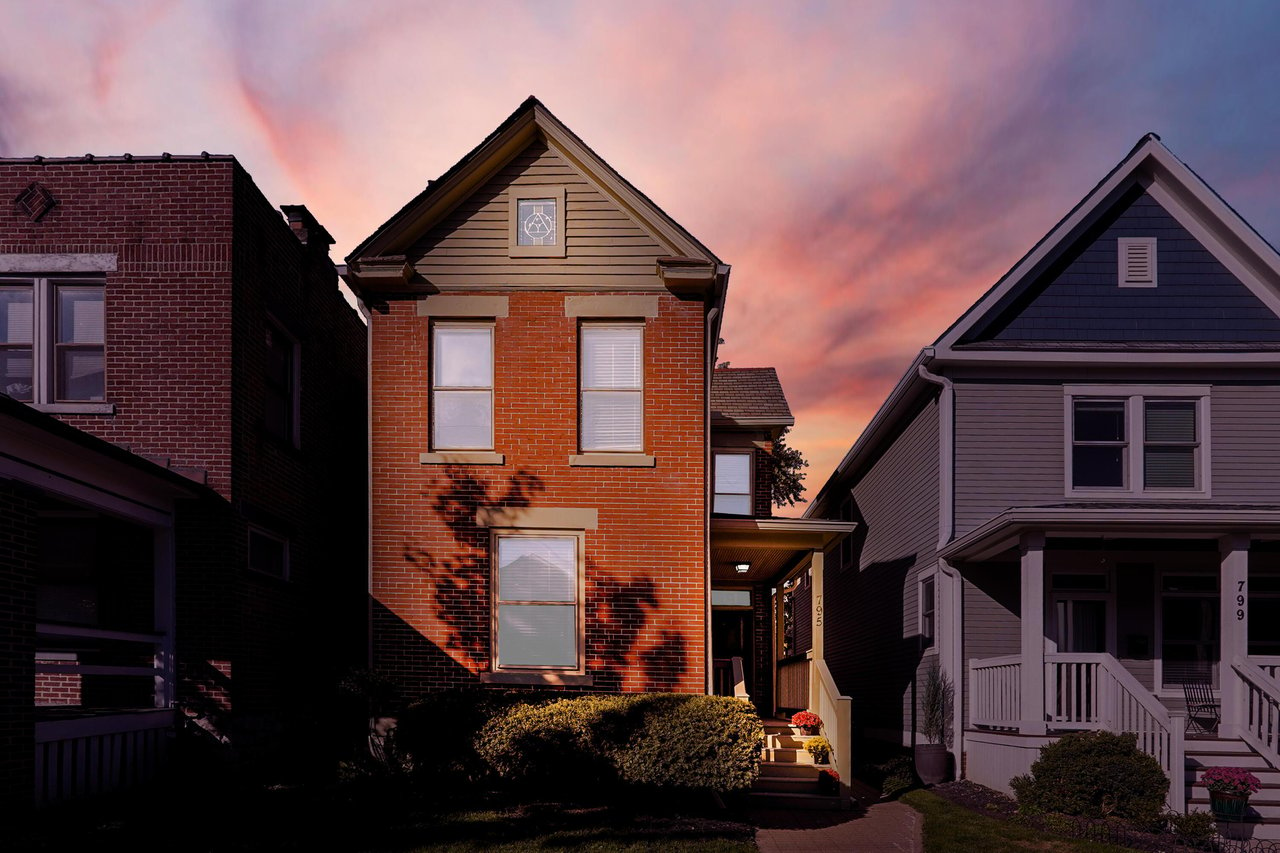
Each of these neighborhoods offers its own style. Some streets are lined with historic brick homes, carefully preserved with original details and tree-shaded sidewalks. Others feature contemporary infill, with clean-lined townhomes and condos that fill in former vacant lots. You will also find converted warehouses that now hold lofts with exposed brick and tall ceilings, plus mixed-use buildings where you can live above coffee shops, restaurants, and boutiques.
Matching the right neighborhood to your lifestyle is key. Many buyers want car-lite living, where they can walk or bike to work, hop on public transit, or ride to The Ohio State University without relying on a daily drive. Others prioritize dog-friendly streetscapes, pocket parks, or quick access to larger green spaces and multiuse trails. The best fit comes from balancing housing style, commute needs, and the type of energy you like in your daily surroundings.
Key Market Trends Shaping Columbus Urban Living
Columbus urban living real estate has generally seen steady appreciation in core neighborhoods, which reflects ongoing demand for homes close to downtown and major business districts. In many urban areas, days on market tend to be relatively low, especially for properties that are well maintained and move-in ready. List-to-sale price ratios often signal that well-priced homes in popular streets and buildings can draw multiple interested buyers.
Inventory is another important part of the story. Historic homes are limited by design, because there is only so much original housing stock in these older districts. At the same time, we see more boutique condo projects and urban townhomes adding options for those who prefer new construction. Former industrial or underused areas near the core are gradually shifting into mixed-use developments, which blend residential units with office space, retail, and entertainment.
Lifestyle and demographic shifts are also shaping demand. Remote and hybrid workers often want dedicated home office space or at least a flexible corner that can function as a productive workstation. We see a mix of first-time buyers who want to stay close to nightlife and culture, empty nesters who are trading larger suburban homes for lock-and-leave convenience, and relocating professionals who value quick access to employers and the airport. All of these groups contribute to a consistent interest in urban living.
New Construction, Historic Charm, and Luxury Demand
One of the most common questions we face is whether to focus on new construction or historic homes. New builds often appeal to buyers who want open floor plans, energy-efficient systems, and lower maintenance in the early years of ownership. Modern features like larger windows, attached garages, and contemporary kitchens are usually part of the package, and finishes can sometimes be customized if you purchase early in the build process.
Historic homes are a different kind of draw. Many buyers are drawn to original woodwork, brick facades, unique floor plans, and the sense of story that comes with older structures. These homes can require more ongoing care, especially in terms of mechanical systems, exterior maintenance, and potential preservation guidelines if they sit in a designated historic district. Inspections are especially important so you understand the condition of roofs, foundations, and older utilities.
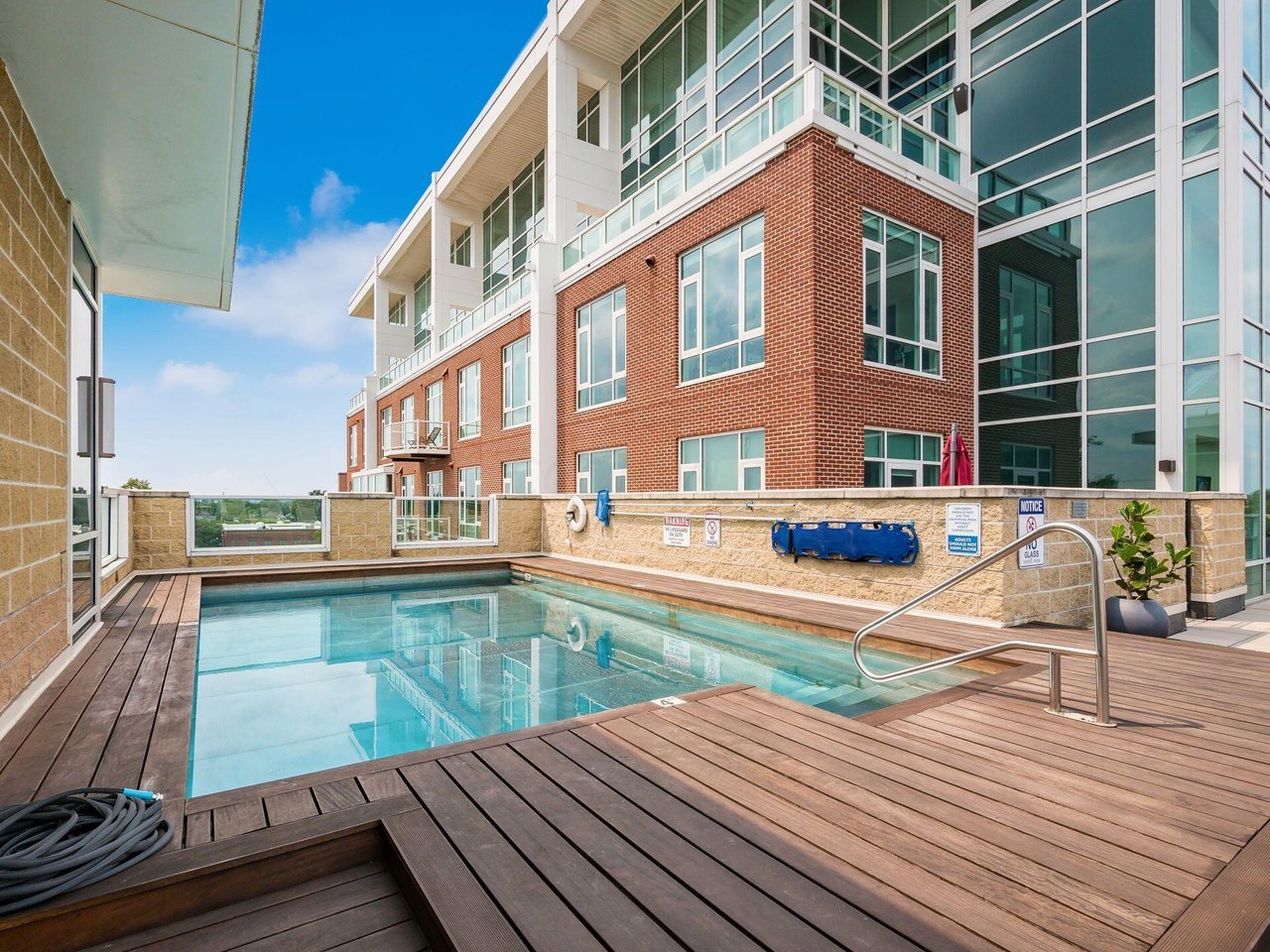
At the higher end of the market, luxury urban living in Columbus often centers on upscale condos and townhomes with skyline views or prime locations near entertainment corridors. Buyers at this level tend to look for secure parking, elevator access, and amenities such as rooftop terraces, resident lounges, or concierge-style services. Owning in newer or luxury buildings usually involves a homeowners association or condo board, so it is important to review rules, monthly fees, and what is covered in the budget to understand your true total cost of ownership.
What Buyers Want in Columbus Urban Homes Today
Across price points, several features consistently rise to the top of buyer wish lists. Many buyers want:
- A functional home office or flexible space that can double as a workspace
- Private outdoor areas such as balconies, patios, or rooftop decks
- Updated kitchens and bathrooms with modern finishes and efficient layouts
- In-unit laundry and practical storage solutions
- Secure parking, often with interest in EV-ready options where possible
Location amenities matter just as much as in-home features. Proximity to coffee shops, restaurants, and grocery options is a major plus. Fitness studios, dog parks, entertainment venues, and access to public transit or bike lanes often influence final decisions between two similar homes. The ease of walking or biking to work, campus, or favorite weekend spots is a big part of what defines urban living.
Recent market shifts have also highlighted new priorities. Buyers in attached units are more aware of the value of good soundproofing and privacy between neighbors. Buildings that offer coworking lounges, shared rooftop spaces, or fitness rooms can stand out, especially for remote workers who want both convenience and social connection. Flexible layouts that can evolve as life changes, for example by converting a guest room to an office or fitness space, are more attractive than ever.
Smart Strategies for Selling Columbus Urban Properties
For sellers in Columbus urban living real estate, presentation and strategy can significantly influence results. Staging should highlight natural light, emphasize how a buyer might set up one or more work-from-home areas, and show that smaller footprints can still feel organized and comfortable. Simple storage solutions, such as well-arranged closets or discreet shelving, help buyers see how their daily lives could fit the space. Even compact balconies or small yards can be styled as inviting outdoor rooms with seating, plants, or lighting.
Pricing and timing need careful attention. Every urban neighborhood, and often each building or block, acts like its own micro-market. Reviewing recent comparable sales and active listings helps set a competitive price that draws interest without overreaching. Sellers often see stronger activity during periods when buyers are more active, so coordinating listing dates with typical seasonal patterns in Columbus can make a difference.
Marketing is most effective when it tells the full story of both the home and the neighborhood. Professional photos and video are important, especially for condos and townhomes where layout and light can be hard to grasp from basic images. Effective listing descriptions often highlight walkability, nearby parks or trails, and the food, arts, and cultural options within a short distance. Targeted outreach to relocating buyers who are interested in Central Ohio can also help, since many out-of-area buyers specifically want an urban lifestyle from day one.
Plan Your Next Move in Columbus Urban Living
If you are thinking about buying or selling in the Columbus urban core, the best starting point is clarity about your priorities. Consider how often you plan to go into an office, what type of commute you are comfortable with, and how important walkability is to your daily routine. Think through your budget, your must-have features, and whether you would be open to a historic home that may need periodic updates or if you prefer the predictability of new construction.
From there, exploring different neighborhoods in person can help you see how each one feels at different times of day. Reviewing recent market data for specific districts will give you a sense of price ranges, competition levels, and how quickly homes in your preferred areas are selling. Getting preapproved before you start making offers is especially important in lower-inventory urban segments, since strong demand can lead to fast-moving opportunities. By understanding the current trends shaping Columbus urban living real estate, you can make more confident decisions and find a home or sale strategy that fits your goals.
Discover Your Ideal Columbus Urban Lifestyle Today
If you are ready to experience the energy, walkability, and convenience of downtown, explore our curated Columbus urban living real estate options tailored to your goals. At Joseph Speakman Realtor, we help you compare buildings, amenities, and neighborhoods so your next move feels confident, not rushed. Tell us what you are looking for and we will guide you step by step, from first tour to closing. Have questions or want to schedule a consultation now? Just contact us and we will get started.