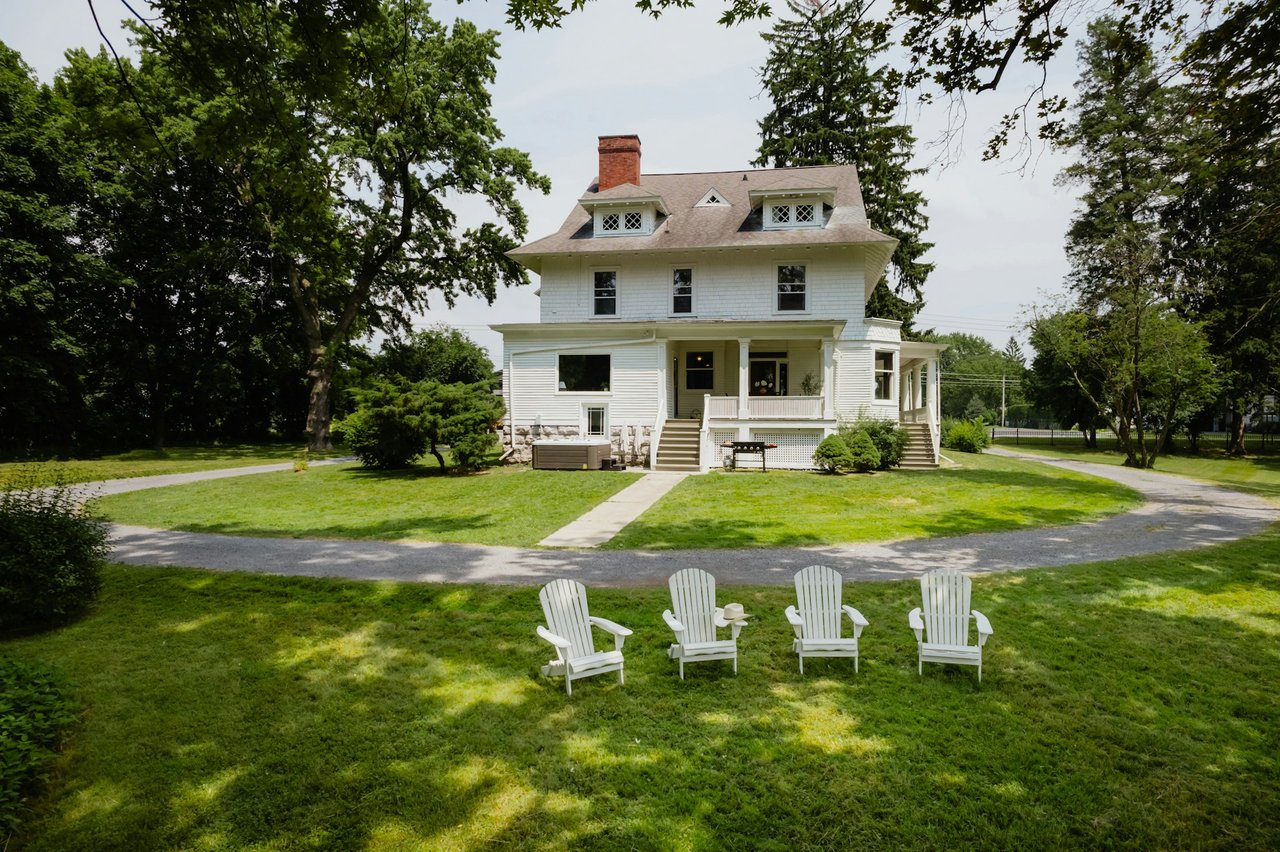
Avoid Costly Surprises in Columbus Historic Homes
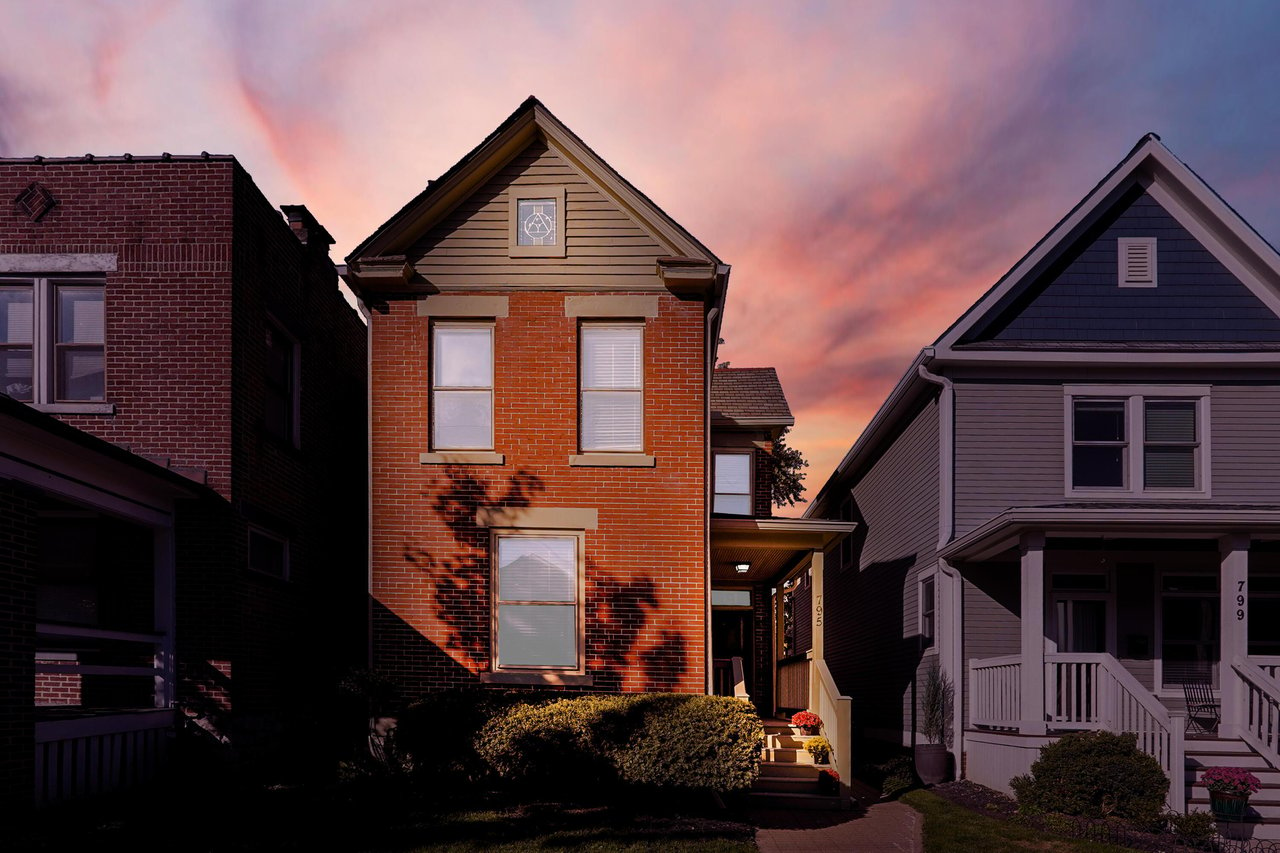
Buying a historic home in Columbus can feel like a dream come true. Brick streets, tall trees, and homes with real charm pull a lot of buyers in, especially in neighborhoods like German Village, Victorian Village, Short North, and Downtown. But older homes come with quirks that are easy to miss in a quick spring showing.
Many buyers fall in love during a sunny May tour, then later learn about structural shifts, old wiring, or code issues that throw off their plans. Spring and early summer are busy seasons for historic homes, which means more competition and more pressure to move fast. When buyers rush, that is when expensive mistakes tend to happen.
Historic properties can offer amazing long-term value, along with character you cannot get in newer builds. They just need a different approach, more patience, and the right local team on your side. Our job as Central Ohio real estate experts is to help buyers spot the red flags early and think ahead to future resale, not just the first move-in day.
Overlooking Historic-Specific Inspections and Research
A standard home inspection is helpful, but for a 100-year-old property, it is only a starting point. Many Columbus homes in older neighborhoods were built long before modern systems and codes. You want an inspector who knows historic housing and sees what others might skip.
With historic homes, it is smart to look closely at things like:
- Brick or stone foundations and settling
- Slate or older roofs and flashing
- Knob-and-tube or cloth wiring
- Old plumbing lines and drainage
Skipping specialized checks can lead to expensive surprises. In areas like Victorian Village and Italian Village, hidden issues often show up in:
- Structural engineering concerns, such as sagging floors or shifted walls
- Chimneys that need repair or lining
- Sewer lines that are blocked, cracked, or tree-root-damaged
- Possible lead-based paint or asbestos in older finishes
It also helps to research the property’s history. Many homes have had multiple renovations over the decades. Some work may not match current zoning, building codes, or historic guidelines. Looking into city records and historic commission notes can help you:
- See past permits and approved projects
- Understand any prior code violations
- Learn what changes were already made to the layout
- Spot patterns of repeated issues, like water in the basement
That extra research can protect you from inheriting problems that affect daily comfort now and future resale later.
Ignoring Historic District Rules and Future Resale Value
Buying in a Columbus historic district is different from buying on a typical suburban street. In places like German Village and Victorian Village, district rules are meant to protect the look and feel of the neighborhood. Those rules can be a big plus for long-term value, but they do shape what you can do with your home.
You may need approval before changing:
- Windows, doors, or visible trim
- Front porches and steps
- Additions or exterior structures
- Rooflines and sometimes even paint colors
Many buyers only think about what they want to do right now. They forget that approval processes can add time and cost to projects. But when updates are done in a way that fits the age and style of the home, they can support value and make the property more appealing when it is time to sell.
It helps to think about how to sell a historic home in Columbus before you even buy it. That way you can choose projects that both fit the rules and please future buyers, like:
- Using historically appropriate exterior materials where required
- Adding energy-efficient systems that do not clash with old details
- Keeping original features when possible, such as wood floors and trim
- Saving records and photos of all work, permits, and approvals
Planning with resale in mind keeps you from painting yourself into a corner with choices that are hard or expensive to undo.
Underestimating Ownership Costs and Seasonal Maintenance
Many buyers focus on purchase price and mortgage numbers, then later feel shocked by the real cost of owning a historic home. Older Columbus homes can have extra needs that do not show up at first glance.
Historic properties often come with:
- Higher insurance needs compared to some newer homes
- Tradespeople who specialize in older systems and materials
- Custom or hard-to-find parts for windows, trim, and masonry
- Regular care for roofs, chimneys, and exterior brick or stone
Spring and summer showings are pretty, but they do not always reveal how a home behaves in the cold. Drafty windows, weak insulation, or an older heating system might not feel like a big deal on a mild day. Once winter hits, those same issues can affect comfort and monthly bills.
A smart way to prepare is to:
- Build a 3 to 5 year maintenance plan instead of thinking just one year ahead
- Ask for quotes from contractors who know historic homes before you close
- Set aside a reserve fund so routine repairs do not become a crisis
- Plan for energy upgrades that respect the age of the home
Thinking about these costs early helps you enjoy the charm without constant stress.
Choosing the Wrong Renovation Strategy and Team
Renovations can either lift a historic home up or strip away what makes it special. Trendy choices that look good on social media can clash with a 100-year-old home and turn off future buyers who want real character.
Common mistakes include:
- Ripping out original woodwork, doors, and stair parts
- Covering transom windows and tall ceilings with low, flat details
- Tearing out period tile or fireplaces for short-term style trends
- Using modern finishes that feel out of place for the era of the home
The team you hire matters just as much as the plans you make. Contractors who work mainly on newer builds might not be familiar with older framing, plaster, or the local historic review process. That can lead to delays, rework, and projects that do not fit district rules.
A better path is to think of each project as part of a long-term plan. Understanding how to sell a historic home in Columbus guides renovation choices. The sweet spot is usually:
- Updated electrical, plumbing, and HVAC for safety and comfort
- Kitchens and baths that function well but still respect the home’s style
- Preserved trim, doors, floors, windows, and stair details where possible
- Thoughtful design that feels both historic and livable
The right mix makes your daily life easier while keeping the charm that attracts buyers in these neighborhoods.
Turn Your Historic Home Dreams Into a Smart Investment
A historic home in German Village, Victorian Village, Short North, or Downtown can be more than just a pretty place to live. With careful planning and good advice, it can also be a strong long-term investment that fits your lifestyle.
At Joseph Speakman Realtor, we focus on luxury, historic, and urban homes in Central Ohio, and we have spent a lot of time studying how to sell a historic home in Columbus the right way. When buyers understand inspections, district rules, long-term costs, and smart renovation choices before they sign, they are far more likely to end up with a home that feels right today and shines in the future.
Get Expert Guidance To Showcase Your Historic Home’s True Value
If you are ready to attract the right buyers and protect your home’s unique character, our team at Joseph Speakman Realtor is here to help. Start by reviewing our detailed guide on how to sell a historic home in Columbus so you can prepare with confidence. When you are ready for tailored advice or a pricing strategy specific to your property, simply contact us and we will walk you through the next steps.