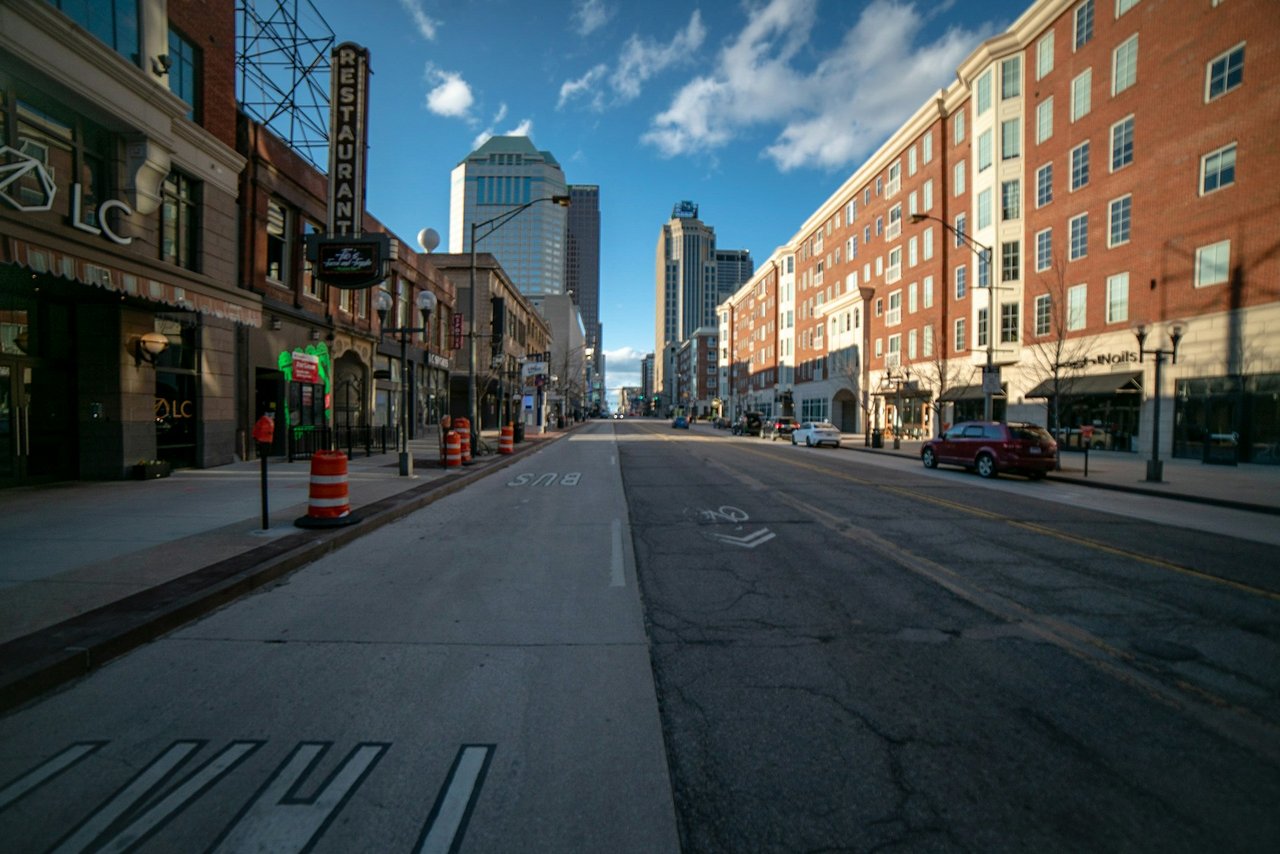
Discover What Downtown Columbus Really Costs
The cost of living in downtown Columbus, OH is not the same story you hear about sky-high prices in bigger cities. National headlines talk about people getting priced out, but central Ohio often feels different. Downtown has its own mix of modern high-rises, historic buildings, and urban lofts that create a wide range of options.
In this article, we will walk through the real costs that come with downtown life. We will look at housing, daily spending, taxes, and how downtown compares with suburbs and other Midwest cities. We will also talk about how to plan a budget that fits your lifestyle so you can decide if downtown living feels worth it for you.
Breaking Down the True Cost of Living
Housing is usually the biggest part of your budget, so it makes sense to start there.
For renters and buyers in downtown Columbus, you will often see:
- Studios and smaller lofts in older or more compact buildings
- One-bedroom condos and apartments in both new towers and historic conversions
- Two-bedroom units in mid-rise or high-rise buildings with extra amenities
On top of your base rent or mortgage, you may see:
- HOA or condo association fees in many downtown buildings
- Parking charges for garage spots or surface lots
- Utility costs that may or may not be included in fees or rent
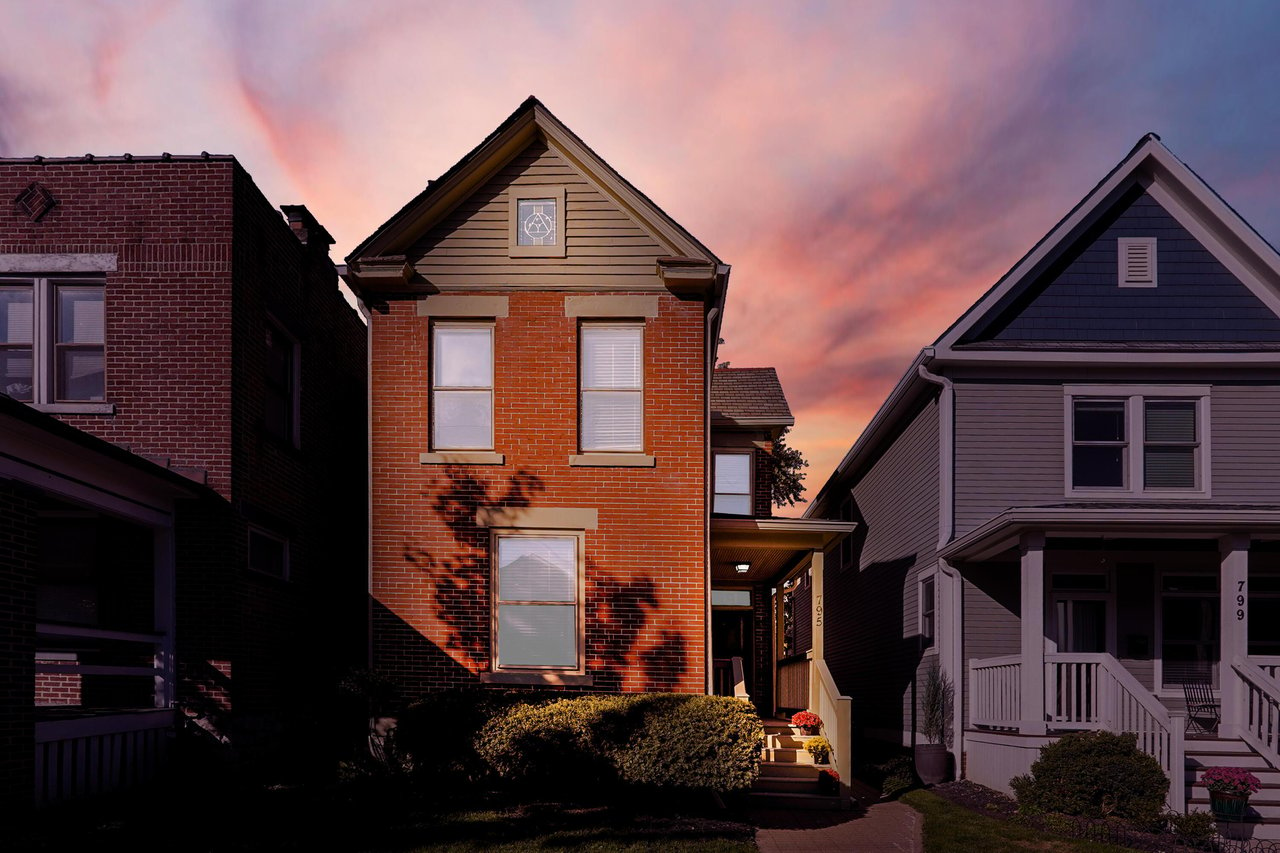
Views and location can add a premium. Units facing the skyline or close to the Scioto Mile, the riverfront, major employers, or arenas often cost more than similar homes a few blocks away. In historic buildings, you might pay a little more for character, tall ceilings, and exposed brick, compared to a more basic modern space.
Everyday expenses also shape the real cost of living in downtown Columbus, OH. Many people find that grocery prices are similar to other parts of the metro area, but they may shop more often at smaller markets or neighborhood stores. Dining out can add up quickly, especially with so many bars, coffee shops, and restaurants within a short walk.
Some common spending areas include:
- Groceries and quick-grab meals
- Coffee and casual lunches near the office
- Fitness memberships, yoga or spin studios
- Pet care, dog walkers, and grooming
Walkability can help offset other costs. If you live and work downtown, you might spend less on gas, tolls, or long commutes. Some residents own fewer cars or skip owning a car altogether and rely on walking, bikes, rideshare, or transit.
Taxes and fees matter too. Columbus has a city income tax that applies to many downtown workers and residents. Some suburbs have their own city income taxes, so it is smart to look at how your work and home locations match up. Parking is another surprise for many new residents, especially monthly garage contracts or street parking permits if available. Insurance is often different in an urban setting than in a suburban neighborhood, whether it is renters, condo, or auto coverage.
How Downtown Columbus Compares to Other Options
When people think about the cost of living in downtown Columbus, OH, they usually compare it to nearby suburbs and other city centers.
Compared to suburbs like Grandview Heights, Bexley, German Village, or Upper Arlington, downtown often offers:
- Less private space and smaller floorplans
- Little to no private yard space
- More walkability to restaurants, offices, and events
- Easier access to sports, music, and riverfront parks
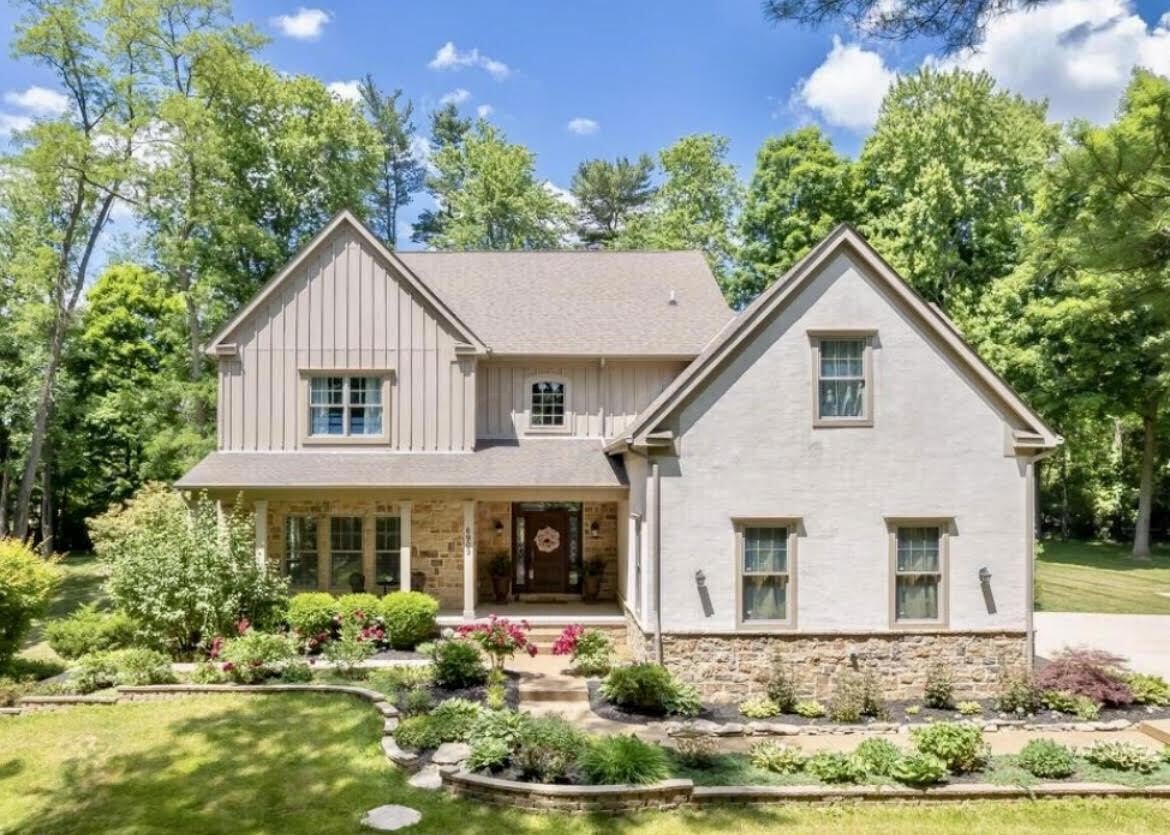
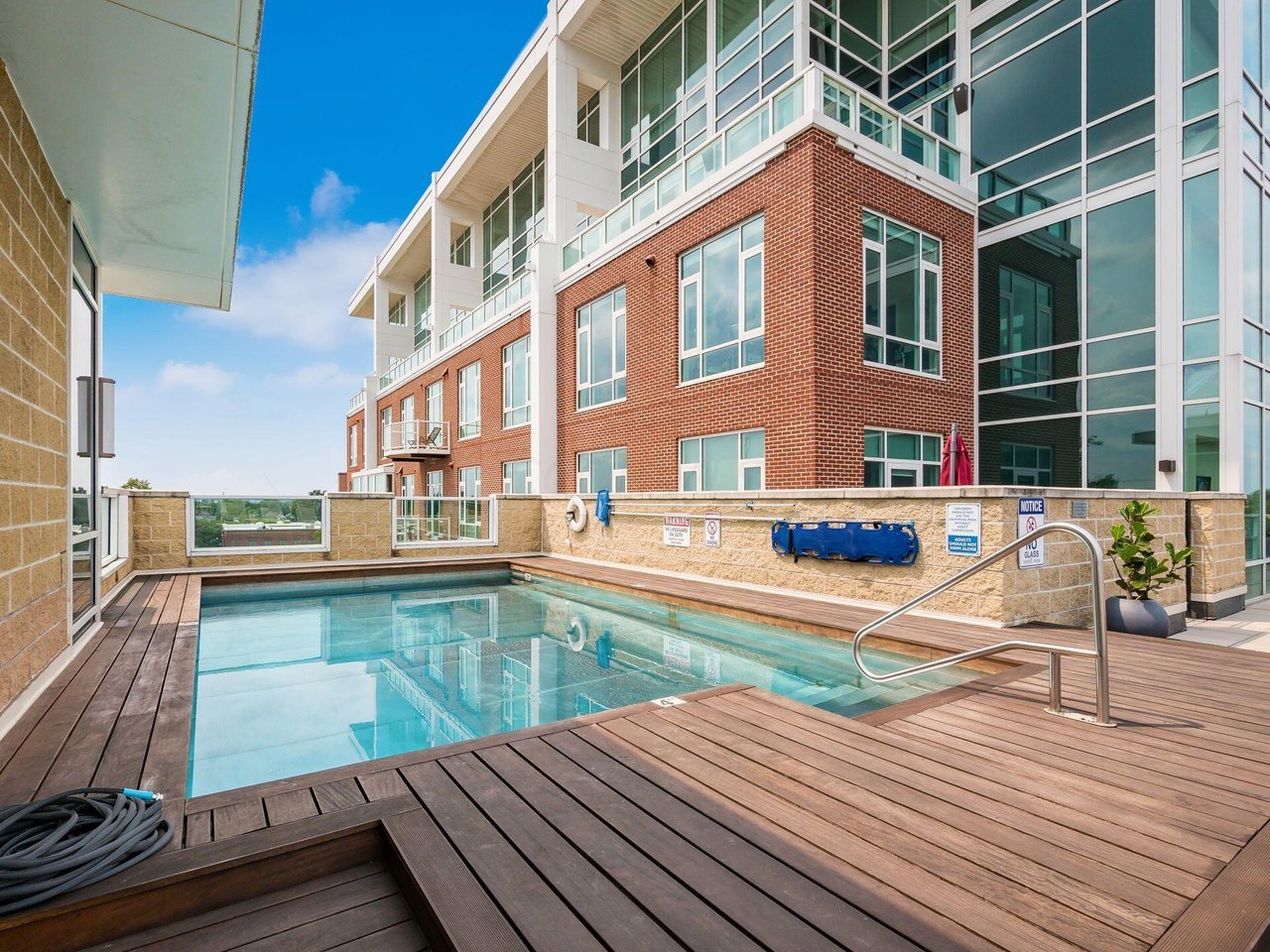
Moving from a suburban house to an urban condo or loft usually means trading square footage and yard size for location, character, and convenience. Instead of a large backyard, you may have a shared rooftop deck or a quick walk to a park. Instead of a two-car garage, you may have a garage space plus street parking or a short commute on foot.
Compared to other Midwest downtowns like Cincinnati, Cleveland, Indianapolis, or Pittsburgh, Columbus often feels more accessible on housing and parking, while food, drinks, and entertainment in the most popular districts are catching up. Central Ohio’s growing job market plays a big role. More employers in and near downtown can support higher demand for urban housing and can shape long-term expectations around affordability.
Price is not the only factor. Many people count the value of:
- Shorter commutes and less time in traffic
- Easy access to theaters, concerts, and arenas
- Daily walks along the river or in urban parks
Time saved on long drives, errands, and school drop-offs can offset some higher housing or parking costs. Spring and summer especially highlight the lifestyle side of downtown life, with more outdoor events and people out on patios and along the river.
Budgeting for Downtown Life Without Sacrificing Fun
Smart housing choices can keep your budget steady without giving up the urban feel. Renting can make sense if you want flexibility for job changes or are still learning the area. Buying can make more sense if you plan to stay at least a few years and want the chance to build equity in an urban or historic property.
You can often shape your housing costs by:
- Looking at downtown-adjacent areas that are still walkable
- Considering a smaller footprint with smart storage
- Comparing buildings that roll utilities, internet, or amenities into one fee
Buying into a spot before nearby development takes off can help you lock in your monthly housing payment and put you in a good position if values rise in the future.
Daily spending choices are just as important. To enjoy downtown without blowing your budget, try focusing on:
- Cooking at home more often and saving dining out for favorites
- Choosing happy hours or lunch specials instead of frequent full-price dinners
- Taking advantage of free or low-cost events like outdoor concerts, festivals, art walks, and parks
Membership or subscription-style services can help, such as fitness studios that bundle classes, coworking spaces that include meeting rooms and coffee, or monthly parking arrangements that beat daily rates.
Planning ahead helps you avoid surprise costs. Think about where you want to be in three to five years. Are you more focused on building equity in a condo or loft, or do you need the flexibility to move for school or work? If you expect Central Ohio to keep growing, it can be helpful to think about how appreciation in downtown and nearby historic neighborhoods might affect both what you buy and how long you stay.
A clear downtown-specific budget should include:
- Regular bills like housing, fees, parking, insurance, and transit
- Food, fitness, and pet care
- Seasonal extras like festivals, sports, and weekend trips
Is Downtown Columbus Worth the Price for You?
At the end of the day, the cost of living in downtown Columbus, OH comes down to what you value most. It helps to ask yourself a few simple questions:
- How long do I want my daily commute to be?
- Do I need dedicated parking or am I fine with garages and street parking?
- How often do I go out for nightlife, sports, or concerts?
- Do I have pets that need green space close by?
- Do I care more about historic charm or new construction and amenities?
Some people care most about having more rooms and storage. Others care more about walking to work and grabbing coffee without getting in a car. There is no single right answer. The right cost of living is the one that fits your budget and the way you like to live.
The best way to get real numbers is to see homes and buildings in person. Touring different downtown neighborhoods, comparing floorplans, and reviewing association structures can make the trade-offs very clear. Looking at recent sales and rental comparisons can help you see how your budget lines up with what is available, especially going into the busy spring and summer moving season.
As a local Central Ohio real estate expert focused on luxury, urban, and historic properties, we help people sort through these details every day. At Joseph Speakman realtor, we look at the full picture, from condo fees and parking to daily lifestyle costs, so you can make a choice that feels right for you.
Discover What Downtown Columbus Living Really Costs
If you are comparing neighborhoods, our detailed breakdown of the cost of living in downtown Columbus, OH can help you understand how housing, transportation, and daily expenses fit your budget. At Joseph Speakman Realtor, we use real numbers from recent sales and rentals to match you with options that make financial sense. When you are ready to talk specifics for your situation, contact us so we can walk you through your next steps toward living downtown.