The Difference Between a Strong Offer and an Overpaying Offer
In Columbus's competitive market, buyers often face a false choice: compete and overpay, or offer reasonably and lose. The reality is more nuanced. Offers win on terms, speed, and credibility — not just price. Understanding how to structure a compelling offer that doesn't exceed defensible value is a skill that saves money and reduces risk.
Start With the Data
Before writing any offer, understand what comparable homes have actually sold for — not what they're listed at. Active listings represent asking prices; closed sales represent what buyers actually paid. A Comparative Market Analysis (CMA) gives you a data-backed range for what the home is worth based on recent, comparable transactions.
Know the list-to-sale price ratio for recent sales in that neighborhood and price range. If homes are consistently selling at 100–103% of list price, you know you're likely in a competitive situation. If homes are selling below list, you have more negotiating room.
Elements of a Strong Offer Beyond Price
Pre-Approval vs. Pre-Qualification
A pre-approval letter from a lender — based on verified income, assets, and credit — is significantly stronger than a pre-qualification. Some sellers won't seriously consider offers without one. Have this in hand before you write offers.
Earnest Money
A larger earnest money deposit (typically 1–2% of the purchase price in Columbus) signals commitment. In competitive situations, some buyers put up 2–3% to differentiate. Make sure you understand the conditions under which earnest money is at risk.
Contingencies and Their Scope
Every contingency you include is a potential exit — which sellers see as uncertainty. The inspection contingency is important for protecting yourself, but its terms matter. Some buyers agree to accept homes "as-is" for cosmetic issues while retaining the right to exit for safety or structural concerns. This is different from waiving inspections entirely, which carries significant risk.
The financing contingency protects you if your loan falls through. Waiving it is high-risk. But providing a robust pre-approval with solid documentation makes the financing contingency feel less threatening to sellers.
Closing Timeline
Flexibility on closing date — or offering to match the seller's preferred timeline — can matter significantly to sellers with logistical constraints. Ask your agent what the seller needs. Sometimes accommodating a seller's move-out schedule is worth more to them than a small price difference.
When Multiple Offers Exist
In a multiple-offer situation, your agent should find out what's most important to the seller — timing, certainty, price, or terms — and structure your offer accordingly. Sometimes the winning offer isn't the highest; it's the most certain to close on terms the seller needs.
Read more about how buyer representation works in Ohio before you start touring homes seriously.
Photo Placement Note
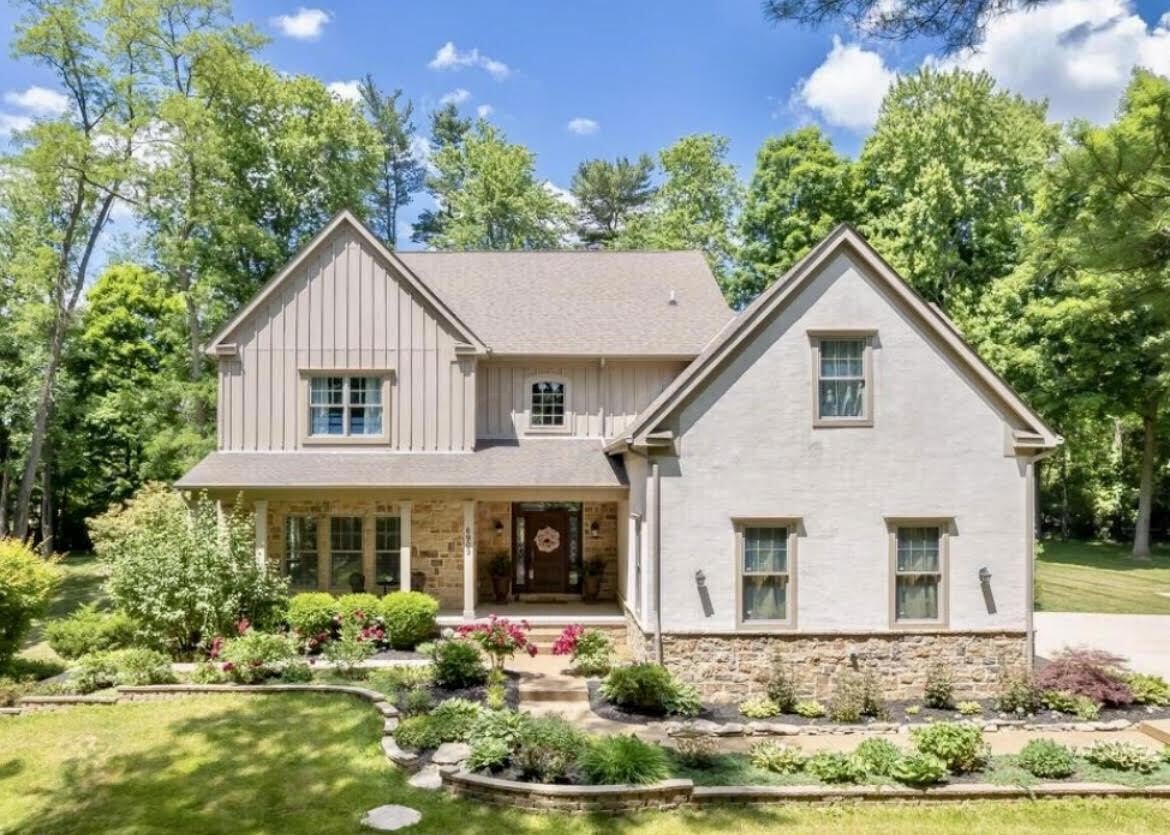
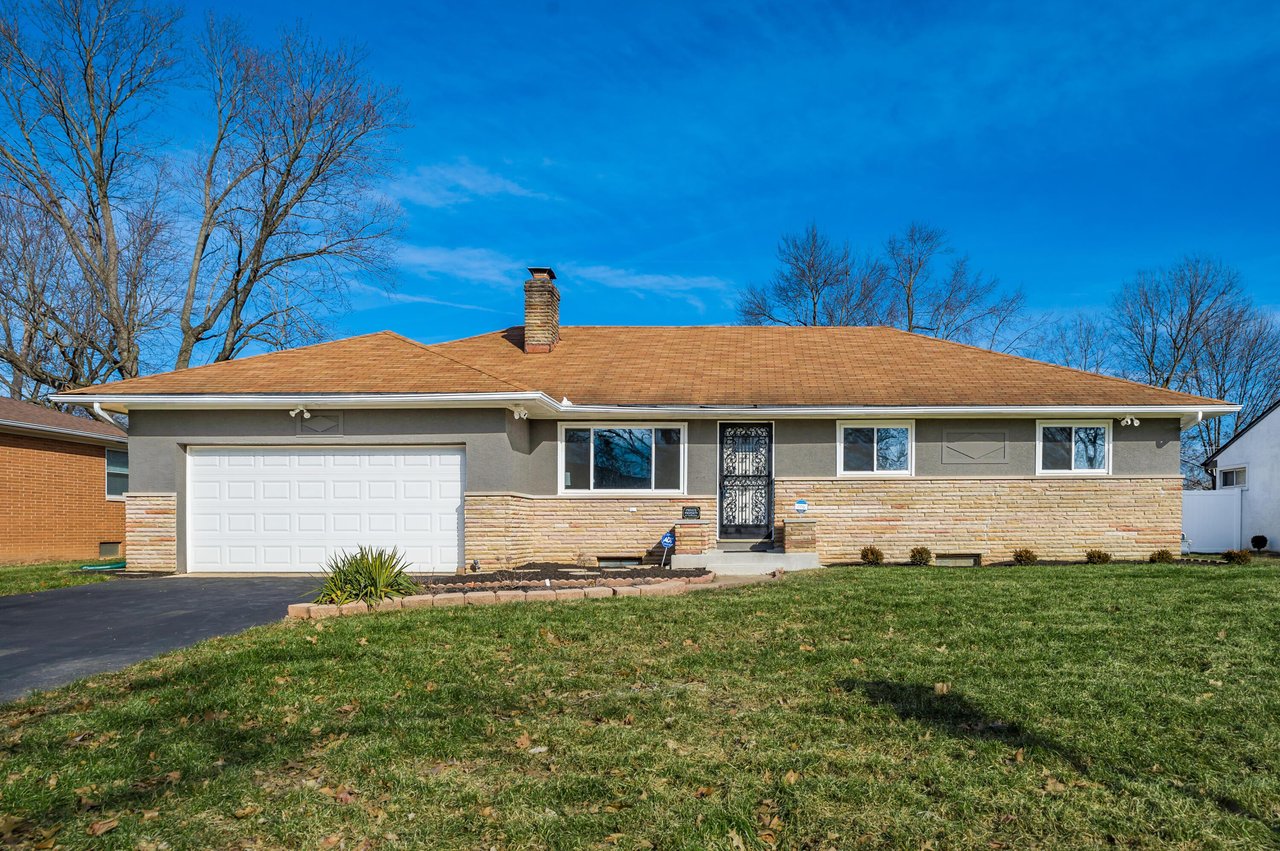
[Add a photo representing a Columbus home purchase or offer process here — use a photo you own or have licensed rights to use.]