Selling a Historic Columbus Home Is Different
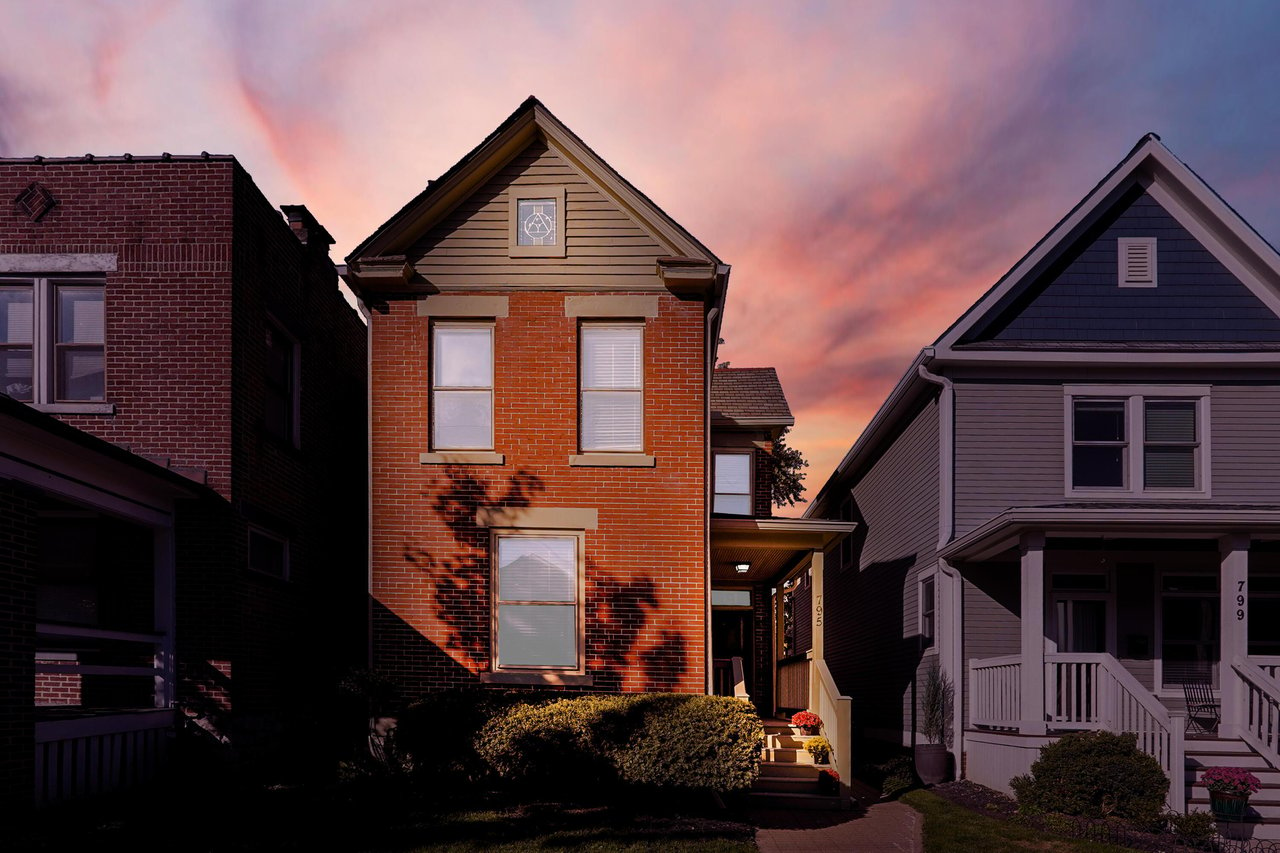
Historic homes in Columbus — in Victorian Village, Italian Village, German Village, Weinland Park, and adjacent neighborhoods — attract a specific type of buyer. These buyers often appreciate the character, craftsmanship, and location that older homes provide. But they also bring heightened scrutiny, and inspectors tend to look carefully at systems and conditions common to pre-war construction.
Knowing which repairs matter — and which you can skip — helps you invest preparation dollars effectively and avoid surprises that kill deals.
High-Priority Repairs (Do These)
Roof Condition
A failing roof is the single most common deal-killer in historic home transactions. If your roof is near the end of its life (typically 20–25 years for asphalt, 40+ years for slate or metal), buyers and their lenders will require repair or replacement. Having documentation of recent roof work — or getting an inspection ahead of listing — allows you to price and negotiate from a position of knowledge.
Plumbing System
Many Columbus homes built before 1960 still have original galvanized steel pipes, which corrode and reduce water pressure over time. Lead pipes, present in some homes built before 1940, are a significant concern. A plumbing inspection before listing helps you understand what you're disclosing and allows you to address critical issues proactively rather than after a buyer inspection.
Electrical System
Knob-and-tube wiring (found in homes built before 1930), aluminum wiring (1960s–1970s), and undersized electrical panels are common findings in historic Columbus homes. Some lenders won't finance homes with these conditions unresolved. Understanding your electrical system before listing — and updating where necessary — can significantly expand your buyer pool.
Foundation and Drainage
Foundation issues range from cosmetic to structural. Stair-step cracks in brick, bowing walls, or evidence of water intrusion need professional evaluation. Minor settling is common and often manageable with disclosure and appropriate pricing. Active water intrusion is more serious and should be addressed before listing if possible.
HVAC Systems
Buyers want reliable heating and cooling. If your furnace or boiler is more than 20 years old, or if the home lacks central air, expect these to be negotiation points. You don't necessarily need to replace everything — but having documentation of recent service, current functionality, and realistic remaining useful life is important for pricing discussions.
What You Can Often Skip
Cosmetic Updates That Conflict With Character
Replacing original hardwood floors with vinyl plank, or swapping historic trim for builder-grade profiles, may actually reduce appeal for the buyers most drawn to historic homes. These buyers often prefer original features in maintainable condition over cheap updates. Don't sand the character out of your home trying to appeal to buyers who aren't your audience.
Full Kitchen or Bathroom Renovations
In most cases, sellers do not recoup full renovation costs on kitchens and bathrooms done right before listing. A thorough cleaning, fresh paint, and hardware updates often provide more return than a full renovation. If systems (plumbing, electrical) within these rooms need work, address those — but a cosmetic gut of a functional kitchen rarely pencils out for a seller.
Photo Placement Note
[Add a photo of a Columbus historic home exterior or interior architectural detail here — use a photo you own or have licensed rights to use.]
How to Make Smart Repair Decisions
The best approach is to get a pre-listing home inspection, then have an honest conversation with your agent about what needs to be addressed for the home to be financed and insured, what will be negotiated away in the buyer's inspection anyway, and what can be disclosed and priced accordingly.
Joseph Speakman has worked extensively with sellers of historic Columbus homes. He helps sellers distinguish between repairs that are essential and those that won't change the outcome — and advises on how to position each situation with buyers.