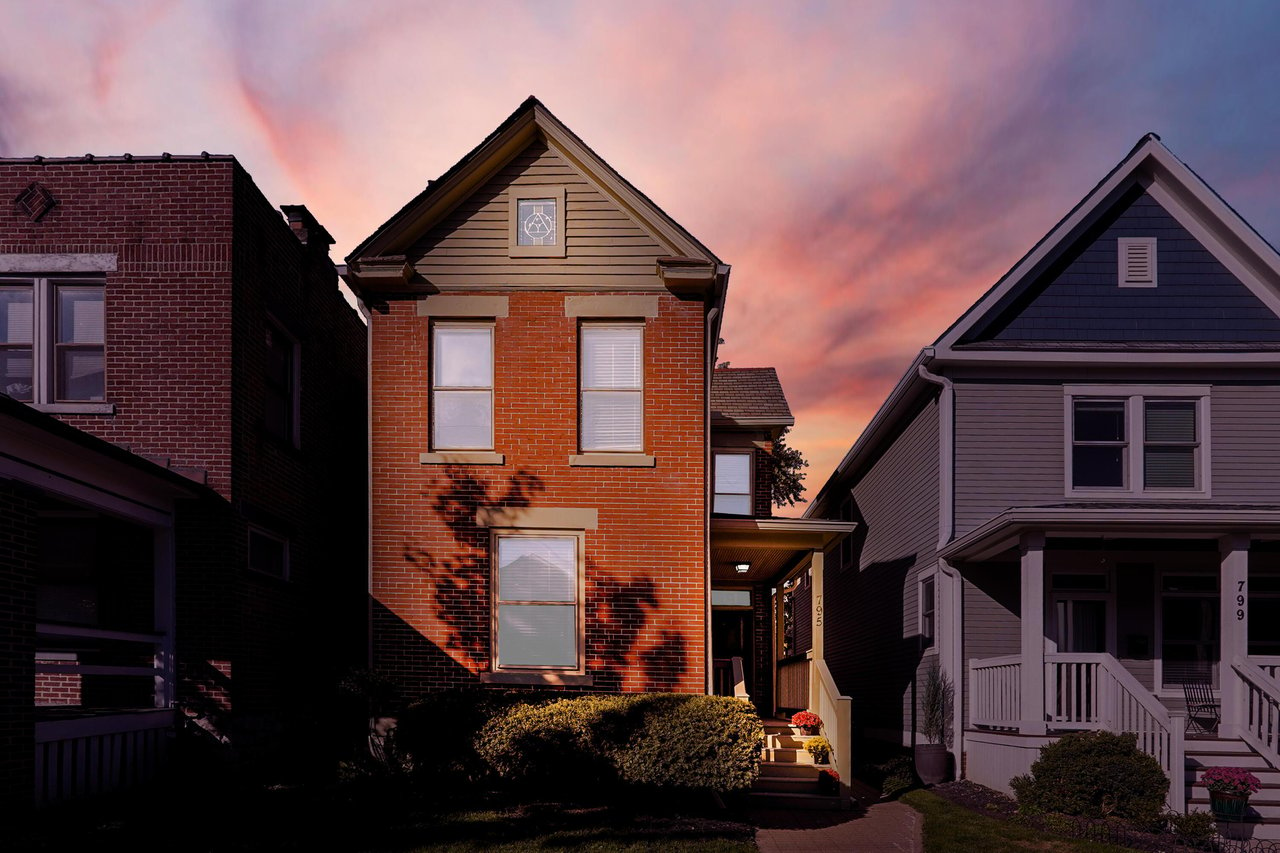
Historic Columbus Homes Are Different to Buy
Buying a home in Victorian Village, Italian Village, German Village, or a similar Columbus historic neighborhood requires a different kind of due diligence than buying a newer home in a suburb. The appeal is real — character, craftsmanship, location, and a sense of place that new construction rarely achieves. So is the complexity.
Here's what to understand before you fall in love.
Understand What You're Inheriting
Pre-war homes (built before 1940) commonly have original or replaced plumbing, knob-and-tube or aluminum wiring, plaster walls, single-pane windows, older HVAC systems, and foundations that have settled over a century of use. None of this is necessarily a deal-breaker — but all of it requires informed evaluation.
The key question isn't "are there old systems" — the answer is almost always yes. The key questions are: what's been updated, what remains original, what is functioning safely, and what will need attention in the next 5–10 years?
Get a Specialist Inspector
A general home inspector who primarily works on suburban new construction may not know what to look for in a 1905 Queen Anne. Find an inspector with documented experience in older homes. They'll know how to evaluate knob-and-tube wiring, identify balloon framing risks, assess original brick masonry, and recognize signs of foundation movement that matter versus those that don't.
Title and Legal Considerations
Historic homes occasionally have complex title histories — easements, boundary disputes from mid-century lot divisions, unclear records from estate sales. A thorough title search and title insurance are essential. Your attorney should review the title commitment carefully.
If the property is in a local historic district (Columbus has several designated districts), understand what restrictions apply to exterior modifications. Some districts require approval for changes to windows, doors, fences, and exterior paint colors.
Insurance Considerations
Historic homes can be more expensive to insure. Plaster walls, original woodwork, and period architectural details are costly to repair or replicate if damaged. Knob-and-tube wiring may trigger surcharges or coverage limitations with some insurers. Get insurance quotes early — before you're under contract — so there are no surprises.
The Renovation Reality
Many buyers fall in love with a historic home because of the potential they see. Renovation projects in Columbus's historic neighborhoods can be deeply rewarding — but they're also expensive, time-consuming, and full of surprises. Original lath and plaster, unlevel floors, pipes behind walls, hidden water damage: historic renovations frequently cost more than estimated.
Get specific contractor estimates before closing if major work is planned. Be realistic about your capacity for a renovation project — emotionally, financially, and practically. Read more about what matters most in historic home repair and maintenance.
Photo Placement Note
[Add a photo of a Columbus historic home exterior or architectural detail here — use a photo you own or have licensed rights to use.]