The Short Answer: It Depends on More Than Your Salary
Most buyers want a simple number: how much can I spend? But affordability in Columbus — or anywhere — is shaped by multiple factors that interact in ways that matter. Your income is one input. Your debt load, credit score, down payment, and the current interest rate environment are equally important.
Here's how to think through it realistically.
The Standard Affordability Framework
Lenders typically use two ratios to qualify borrowers:
Front-End Ratio (Housing Costs)
Most conventional lenders want your monthly housing payment — principal, interest, taxes, and insurance (PITI) — to be no more than 28% of your gross monthly income. Some programs allow higher ratios for well-qualified borrowers.
Back-End Ratio (Total Debt)
The back-end ratio includes all monthly debt obligations: housing plus car payments, student loans, credit cards, and other installment debt. Conventional lenders typically want this below 43% of gross monthly income, though exceptions exist with compensating factors (significant reserves, high credit scores).
A Columbus-Specific Example
Assume a household with $110,000 annual gross income ($9,167/month):
- 28% front-end limit: $2,567/month maximum for PITI
- At a 7% interest rate on a 30-year loan with 10% down on a $380,000 home: approximately $2,800/month including taxes and insurance
- At 6.5%: approximately $2,700/month
At this income and rate environment, the purchase price range is roughly $325,000–$375,000 depending on down payment, existing debts, property tax rate, and insurance costs.
Columbus property taxes vary by location — suburban Franklin County rates tend to be lower than Columbus city proper. This affects your effective housing payment meaningfully at the same purchase price.
The Down Payment Factor
A larger down payment reduces your loan amount, eliminates or reduces private mortgage insurance (PMI), and can improve your debt ratios. The common benchmark of 20% down is not required — conventional loans are available with as little as 3–5% down, and FHA loans require 3.5%. But lower down payments mean higher monthly costs.
First-time buyers in Ohio may qualify for down payment assistance programs through the Ohio Housing Finance Agency (OHFA) or local initiatives. These can meaningfully reduce the cash needed to close.
What Lenders Qualify You For vs. What You Should Spend
Lender qualification maximums are ceilings, not recommendations. A lender may approve you for a $450,000 purchase, but if that leaves no room for savings, home maintenance, or life events, you're house-poor. Many experienced buyers choose to purchase below their qualification maximum to maintain financial flexibility.
A good rule of thumb: your housing costs should feel comfortable, not tight. If you're approved for a payment that would require significant lifestyle changes to sustain, consider whether a lower purchase price produces a better long-term outcome.
Get Pre-Approved Before You Start Touring
Pre-approval from a lender gives you a specific, credible budget — not a rough estimate. It also makes your offer significantly stronger in Columbus's competitive market. Sellers and their agents treat pre-approved buyers as more serious and more capable of closing. Read more about how to make a strong offer in Columbus.
Photo Placement Note
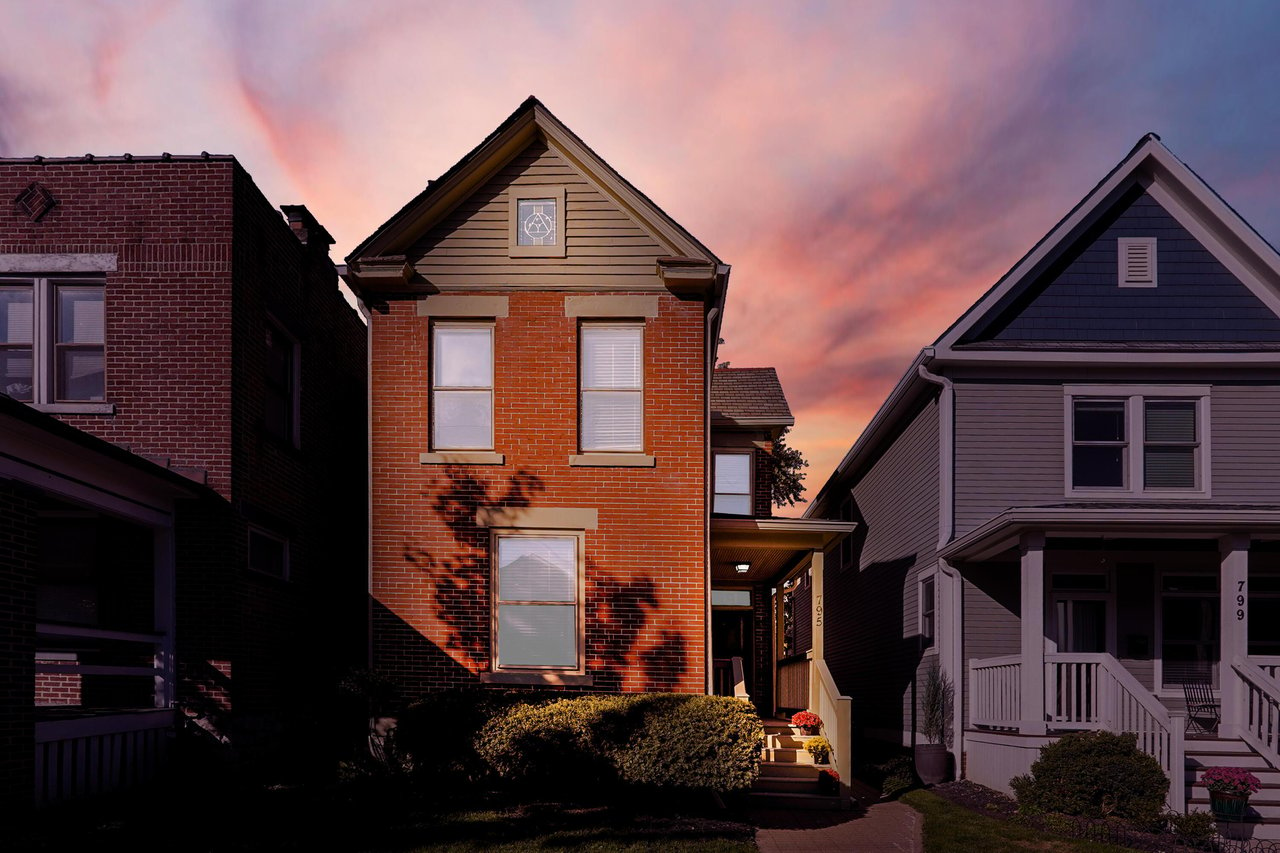
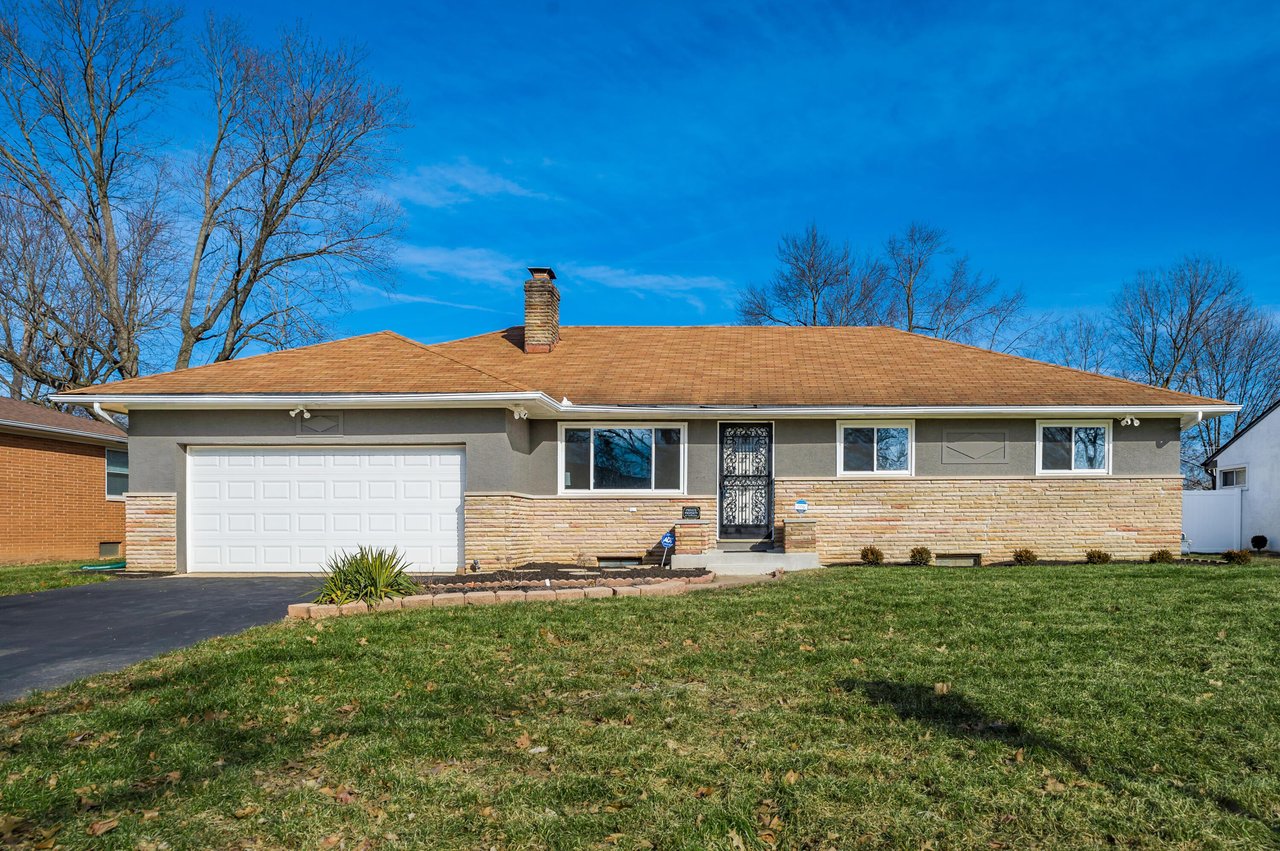
[Add a photo of a Columbus neighborhood or home exterior here — use a photo you own or have licensed rights to use.]